



People often go to great lengths for love, and this is especially true during high school years. You might cover your bedroom walls with around 1,000 magazine photoshoots of One Direction, as I earnestly did, or you could summon a few restless spirits using a ouija board, like Vivian, the main character in Fear the Spotlight. This brief third-person horror game marks the inaugural release by horror film producer Blumhouse’s new game publisher. However, it is noticeably more delicate than the frequently intense films Blumhouse is known for, such as Megan, The Purge, and Dashcam. Instead, the husband-and-wife team behind Cozy Game Pals delivers a tender, lo-fi horror experience that is equally eerie and endearingly sweet.
Vivian, the responsible nerd with misty glasses, harbors a significant crush on her school’s goth girl, Amy. As I begin playing Fear the Spotlight as Vivian, my Silent Hill-style inventory only contains a pink envelope with a letter meant to confess my feelings to Amy. Additionally, in the top right corner of my inventory, Vivian’s pink lungs are displayed, indicating her health with green, yellow, or red lights. Vivian has asthma, so unless I find one of the many inhalers scattered throughout the game, I must handle her heart with care.
My initial goal is to survive the night. Eager to impress Amy, who has an affinity for teenage witchcraft, Vivian arranged a school library exhibit on the occult, featuring a worn ouija board. Amy wants to use it tonight, so I assist her in lighting some candles and placing my hands on the planchette. Almost instantly, the lights go out, Amy disappears, and I brace myself to navigate a twisted version of my high school to locate her.
The storyline, complete with its puzzles and resolution, remains unchanged from Fear the Spotlight in 2023, when Cozy Game Pals initially launched it. Those who completed the game a year ago might hesitate to replay its perfectly paced two-hour campaign, although the Blumhouse edition of Fear the Spotlight includes console ports, additional language options, and new story content available after finishing the base game once.
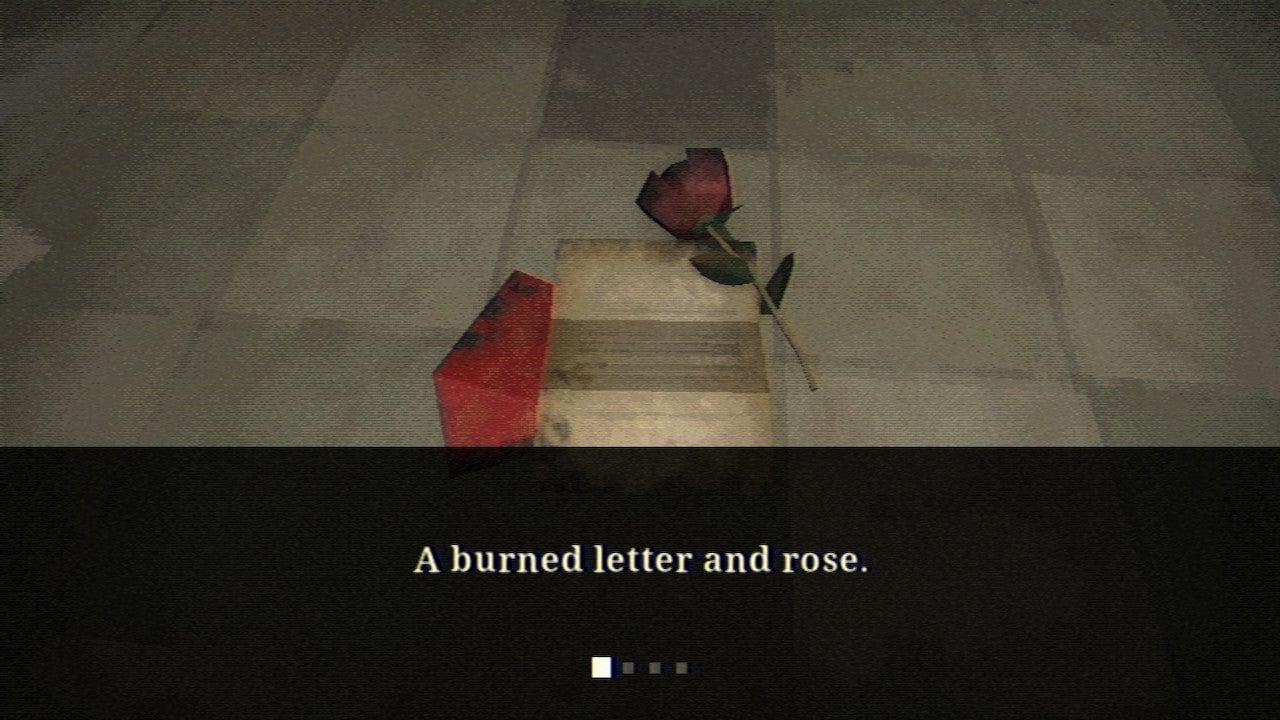
Nevertheless, Fear the Spotlight offers a horror that gradually builds up — like blood slowly pooling around a scraped knee — so revisiting the game allows its unsettling elements to slowly unravel you. Its low-poly graphics, reminiscent of a lost teddy bear left in the rain, contribute to this effect. Although the PS1 graphics make Amy and Vivian resemble extras from The Lego Movie, they also enhance the surreal environmental details in Fear the Spotlight, such as flayed love birds and charred roses.
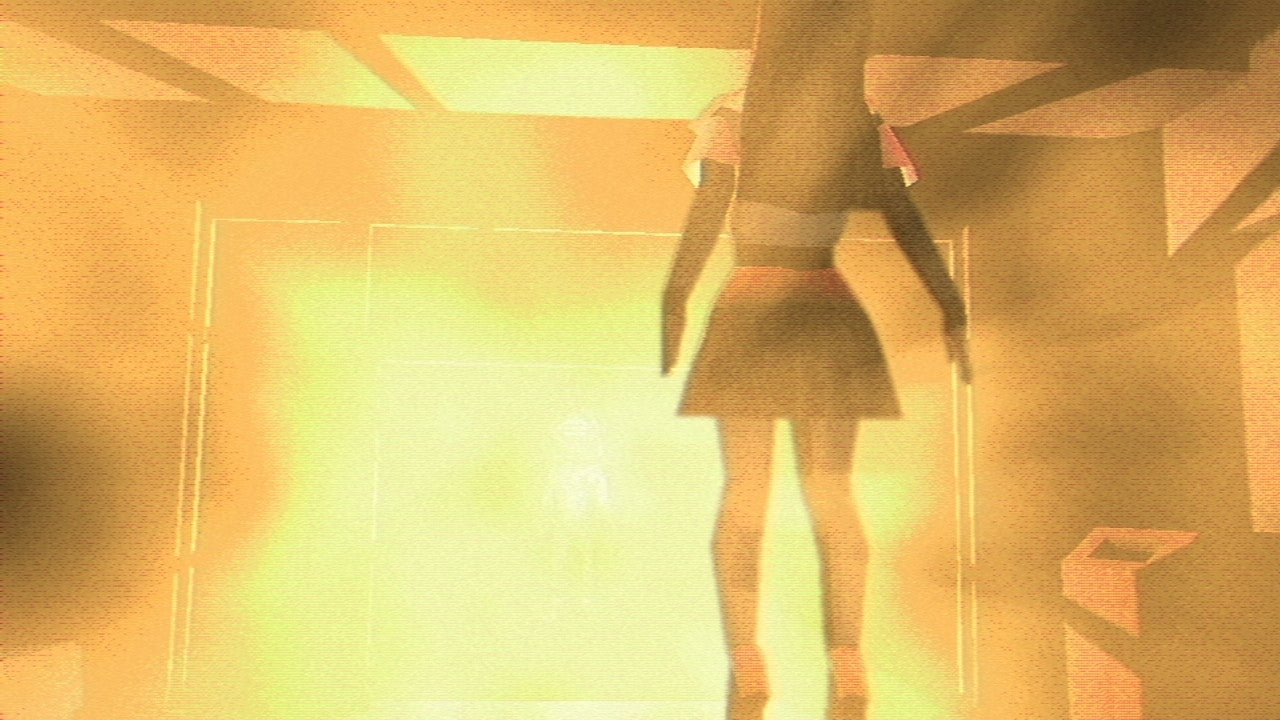
Though more romantic than the games that inspire it, Fear the Spotlight clearly pays tribute to 90s and 2000s horror, with noticeable elements from Silent Hill and the high school survival horror game ObsCure. Similar to the former, Fear the Spotlight is filled with cryptic poems and puzzles, including one that requires tapping bloody piano keys in the correct order, akin to Konami’s 1999 game. Like the latter, it transforms its academic setting into the hell that some students and Carrie perceive it to be. Shortly after Amy vanishes, the library Vivian sat in becomes as dark and crumbly as an Oreo when fire erupts, forcing her through a crack in the wall. Decades ago, a fatal fire occurred at the school, though the one Vivian experiences seems more supernatural. Before it began, I noticed shadowy figures with white eyes watching from between the bookshelves.
After emerging from the wall to find the school now grimy, deserted, and equipped with pay phones, I’m convinced I’ve been transported into the past. Pieces of spiral notebook paper with scribbled notes from students provide clues about my presence there. It appears the historic fire wasn’t accidental, and Amy, with her psychic connection to the spirit realm, might also be a victim of it.
In my quest to reach her, I must avoid a haunting recurring adversary: a man, seemingly, with a bloodied shirt and a spotlight for a head. As he roams hallways and rooms, hissing that he knows I’m present, the orange beam of his head searches for me and scorches my entire body if it finds me. “Fear the Spotlight,” indeed.
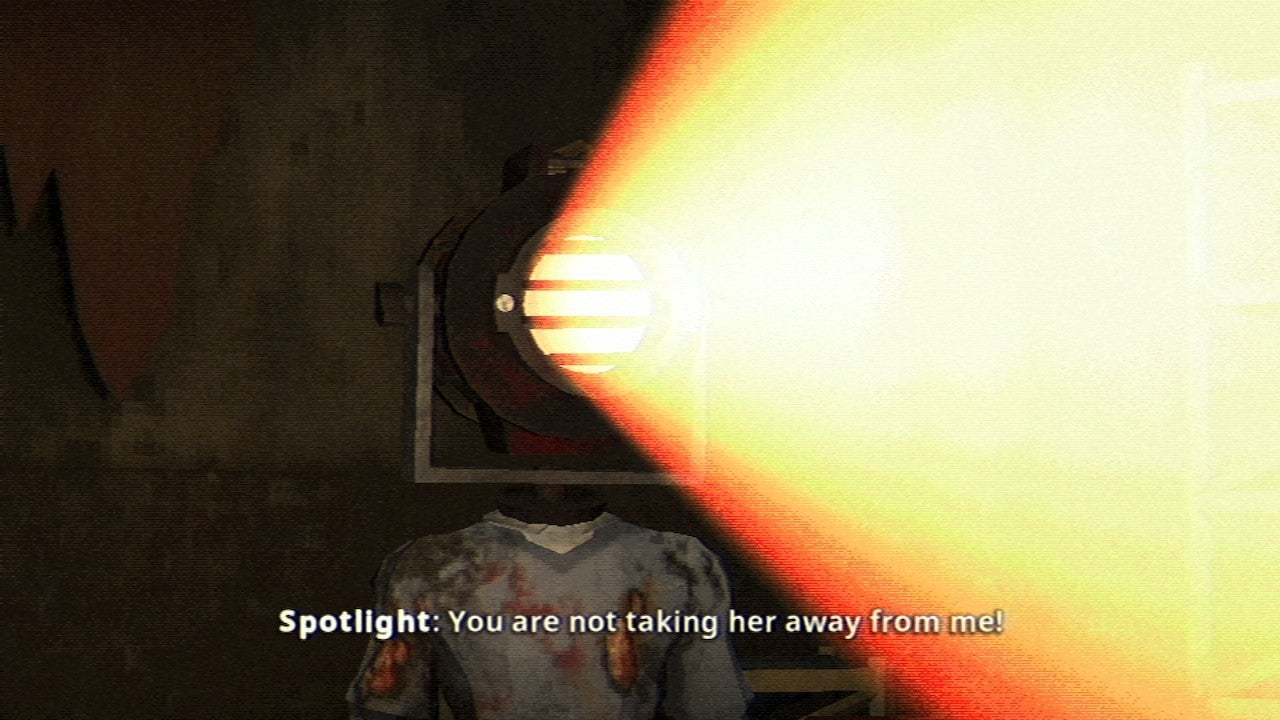
Inhalers, as mentioned, restore Vivian’s health, but since she’s not equipped for combat — she was ready to confess her feelings, not to face the Underworld like Orpheus — I manage the spotlight enemy by running and hiding under desks and similar objects. This becomes a comfortable routine, though avoiding the spotlight is sometimes impossible, often leading to frustrated yelps. Even a millimeter of unfortunate Vivian’s body protruding from between lockers or debris results in the spotlight zapping her entirely, feeling more like an oversight than a scare. To add to Fear the Spotlight’s occasionally unfair enemy encounters, the game’s final battle abandons the stealthy self-preservation I’ve relied on throughout, requiring me to adopt an offensive stance in an awkwardly telegraphed fight. I eagerly awaited its conclusion to return to appreciating Fear the Spotlight’s more engaging interpersonal drama.
After the credits roll, I relish Fear the Spotlight’s bonus content, allowing me to experience the same story from Amy’s perspective. Since Amy spends most of Fear the Spotlight’s base game in psychic limbo, her perspective offers an intriguing and conceptual viewpoint.
Fear the Spotlight
-
Back Of The Box Quote
"Combatting interdimensional evil is a great way to get to know a girl."
-
Type of game
Puzzle-heavy horror show.
-
Liked
Unnerving low-poly graphics, dreamlike level design, sweet protagonists.
-
Disliked
Fearing the spotlight, especially in the final boss fight.
-
Developer
Cozy Game Pals
-
PLATFORMS
PC, PlayStation 4/5, Xbox One, Nintendo Switch (Played)
-
Release Date
Oct. 22, 2024
-
Played
Two hours to complete the main game, one hour to test out bonus content.
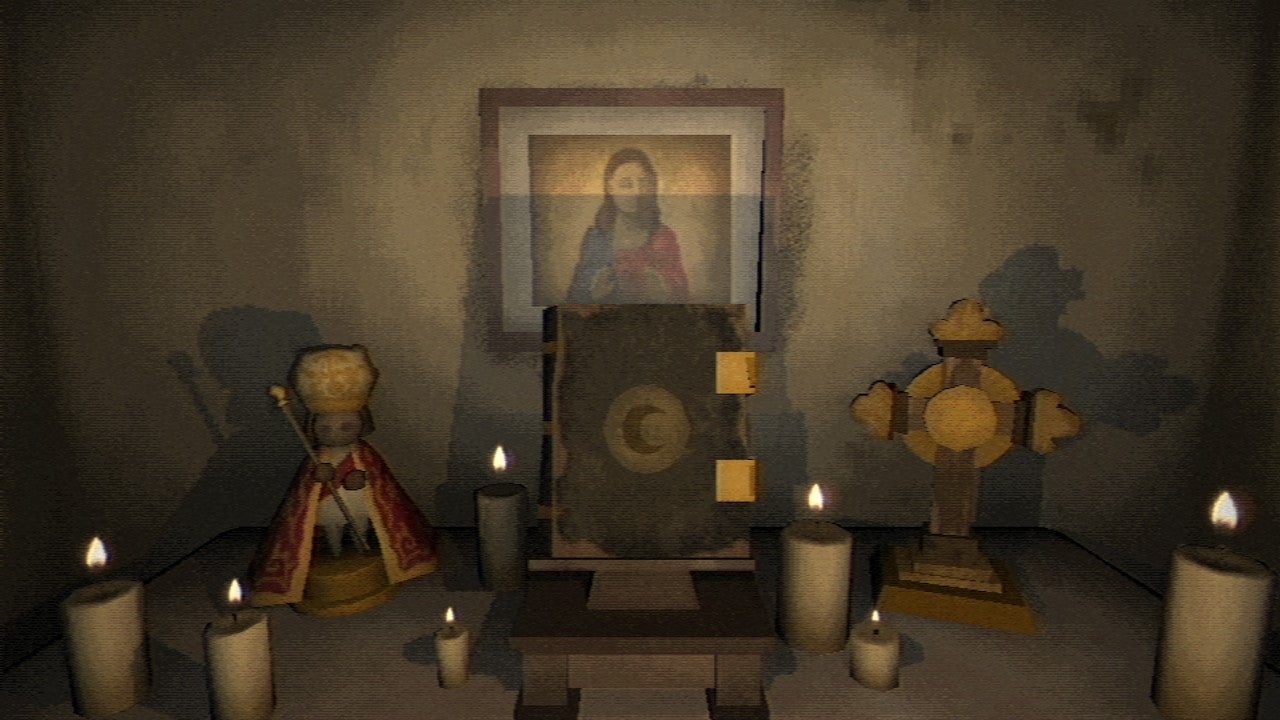
After she disappears from the ouija board table, Amy feels trapped in a decaying version of her childhood home, which is closed off and protected by puzzles — I must locate the painting of Jesus to place on the candlelit table, use the hammer I discovered to pry plywood from a door frame, etc.
Throughout this experience, I receive chilling voice recordings of Vivian on my phone, suggesting someone has been observing our growing closeness for quite some time. Occasionally, I can peer through my locked front door’s peephole to witness what Vivian endures to find me, which only heightens my desire to escape. It doesn’t help that I’m being pursued by my childhood fear — a massive, dripping demoness from a film I once watched. When my stealth inevitably fails and she attempts to tear my guts out with her hand, I must sniff the incense sticks I collect around the house to calm myself and restore my health.
For Amy, however, it’s worth enduring impalement by mythical creatures to reunite with Vivian, just as Vivian is willing to be zapped by numerous demonic spotlights to find Amy. This dedication, even more than Fear the Spotlight’s extraordinary, dreamlike setting, kept me glued to my Switch screen.
This is quite unusual for me. I usually play horror games for the thrills, to distract myself from what I perceive as the horrors of my life — my anxiety disorder and a fresh bout of insomnia, which can keep me awake for days. On the worst occasions, I become too exhausted to do anything other than cry in the dark. Yet Fear the Spotlight provides solace rather than mere escapism. It reminds me that love is omnipresent, especially in the dark.


