



At times, when searching for a food metaphor to describe a video game, you might think of fine dining or perhaps fast food. In this particular case, my often-used analogy is like a grand buffet filled with all your favorite dishes, where you eagerly pile everything onto your plate until you can't eat anymore. In the most delightful way, that is Wild Bastards.
While it may seem to be a follow-up to developer Blue Manchu’s 2019 game Void Bastards, Wild Bastards is defiantly not a sequel. It primarily embraces old-school FPS action, enriched with elements from Slay The Spire, and topped off with tactical strategy. Although it mimics the style of countless rogue-lites, it certainly isn’t one, instead plunging you into intense first-person action sequences lasting only a minute or two each. This encourages players to carefully construct intricate teams of uniquely equipped characters, only to dismantle everything between chapters. And surprisingly, it all comes together seamlessly.
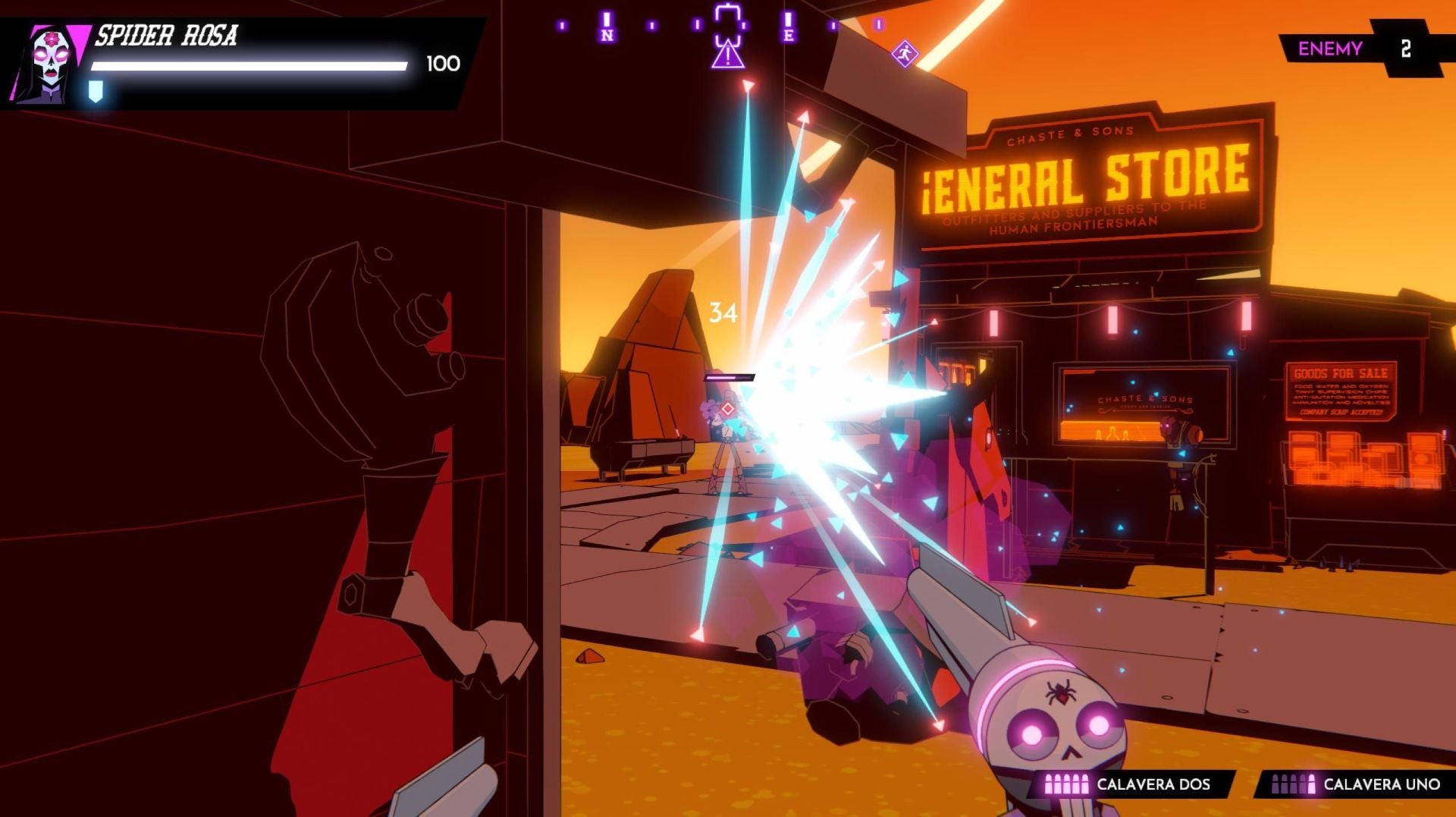
It's easy to get lost in comparing Wild Bastards to its predecessor, noting the similarities and differences, but this does a disservice to both games. Despite sharing visual similarities and featuring a branching map of locations leading to FPS missions, the two games are distinctly different. So, let's focus on what Wild Bastards truly is.
The game kicks off with two characters: the four-armed, somewhat demonic Spider Rosa, and a gambling robot named Casino. They are attempting to flee from the Chaste family of wicked cowboy types by escaping through the galaxy in their spaceship. On a (tutorial) planet, they must navigate a map to reach a spot that allows them to beam back to their craft. However, one of the Chastes, McNeil, destroys the ship and tries to capture them. At this juncture, a legendary ship called Drifter swoops in to rescue them, sending them on a mission to recover the life forces of former colleagues slain by the monstrous patriarch Jebediah Chaste. Each chapter of the game involves reaching the end of a small, branching sector of space to collect the DNA of the fallen, then reviving them to join your crew.
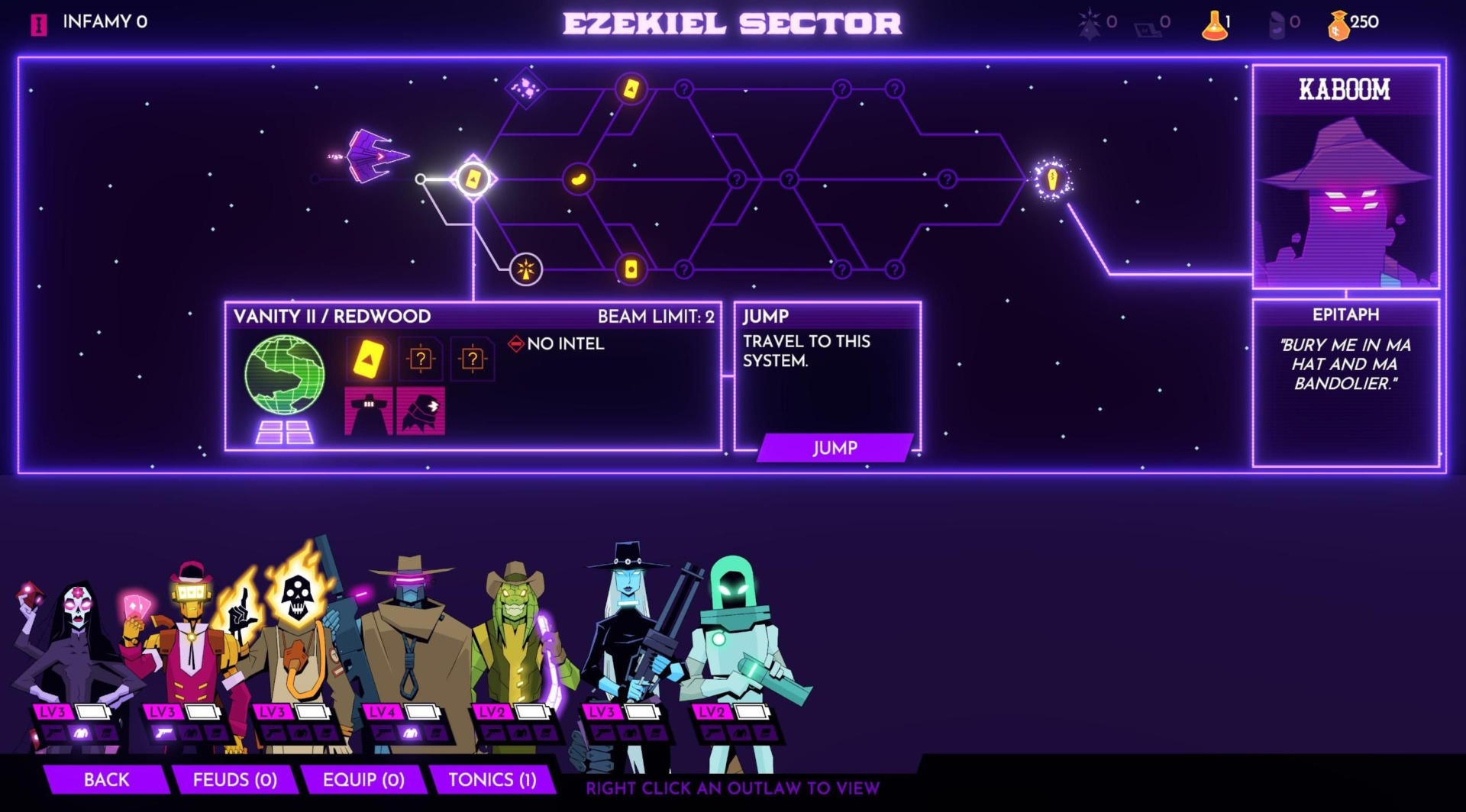
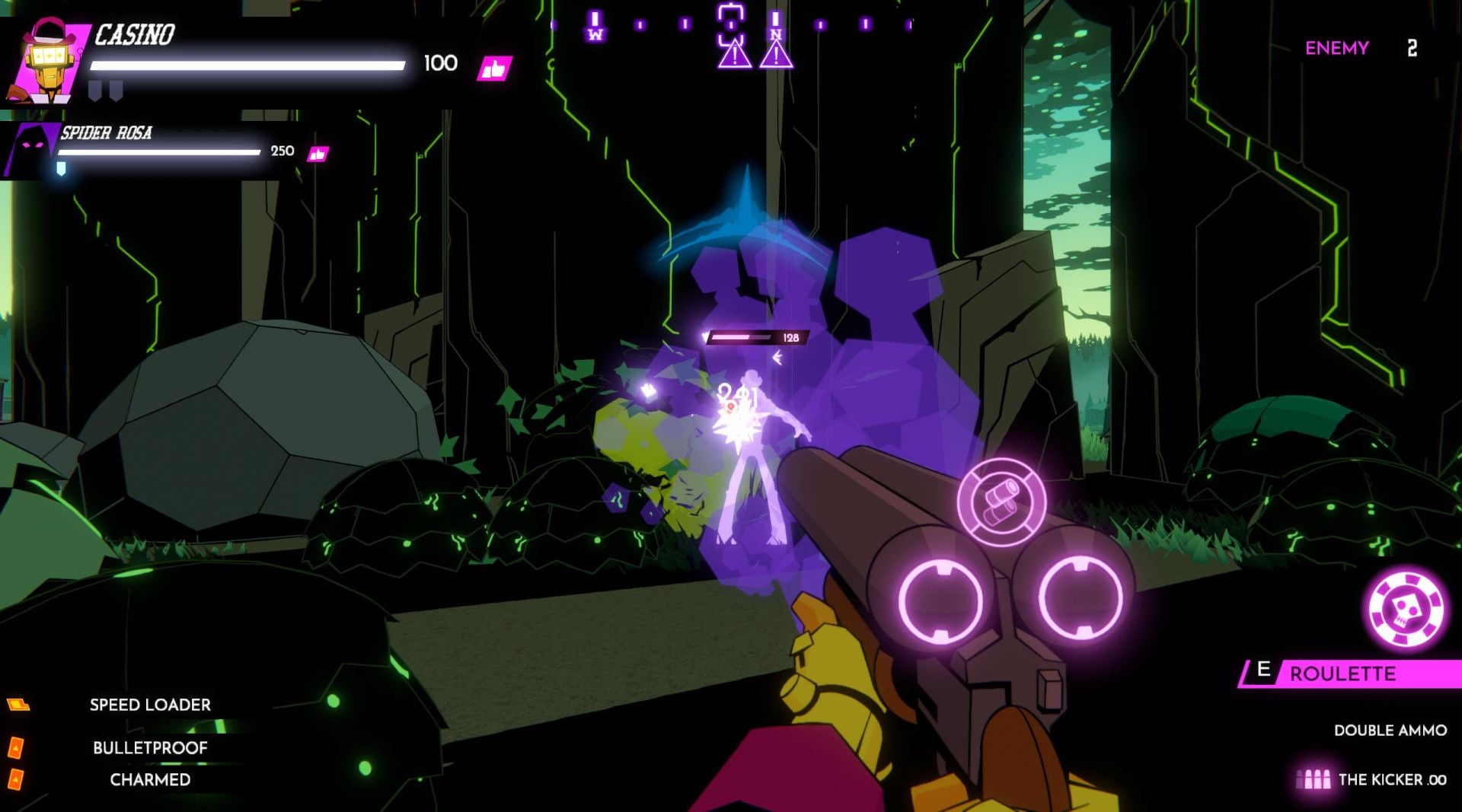
Each point on the sector map you choose to fly to has a planet you must beam down to, and these planets each have their own map filled with branching locations, containing pick-ups, stores, and crucially, battles to win. Each battle is a mini-FPS location where you confront collections of enemies with your crew. However—and bear with me, there's a lot to explain here—your team travels the planet in "bunches," grouped in ones or twos, with no more than four selected for any drop. You can arrange them as you like, but during battle, only one fights at a time, though you can switch between them on the fly. You need to rely on your ears (and the game’s visual sound representation on the compass) to locate enemies who hide but constantly reveal themselves by shouting insults or conversing...This game is far easier to play than to explain.
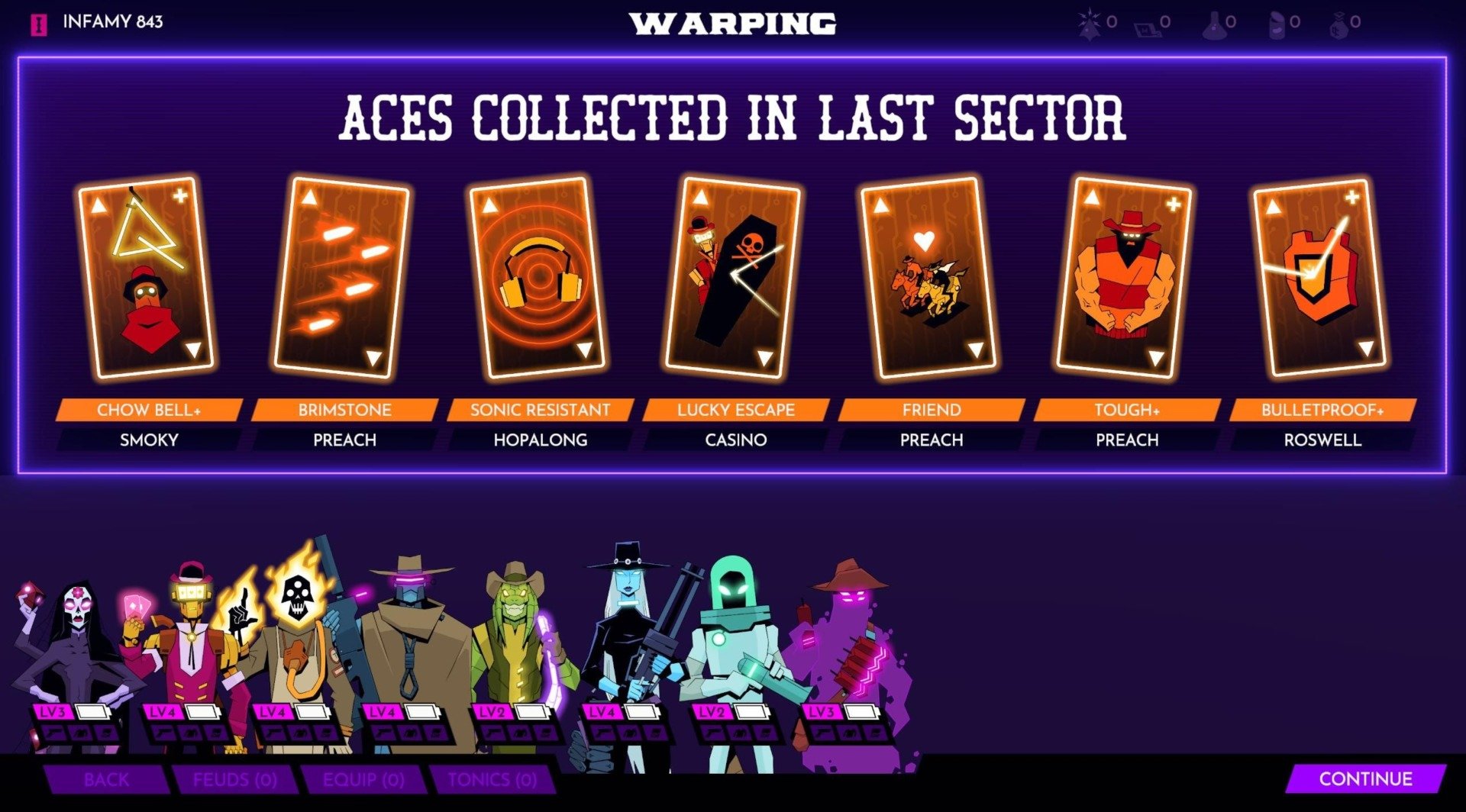
If a character falls in battle, they remain dead until you return to Drifter and revive them with a rare potion, lose everyone and return to the sector's start, or succeed without them and proceed to the next sector, whereupon everyone is revived. However, in both cases, you lose all the equipment you’ve won, bought, or picked up, as well as money, potions, bonus items, or...beans.
Except, or, or, except, but, or, except, and oh my goodness. I haven’t even touched on the Ace cards that permanently enhance a character, or the Juice found in battles that enables each to perform their special ability. You’ll want to pair a long-range shooter like the furious robot Judge with a rapid-fire but less precise crewmember like the mysterious alien Roswell. If it's a drop where only three can go, use Casino and his Juice ability to instantly kill the enemy he faces, or the ghostly pastor Preach, who wields the ridiculously ammo-heavy Sermon .58, lacks shields, but can use Juice to heal when she kills. Oh, and if the battle is against Critters rather than humanoids, using the snake-like Hopalong with his laser lasso would be a poor choice, but he'd be perfect against a couple of heavy Ironclads.
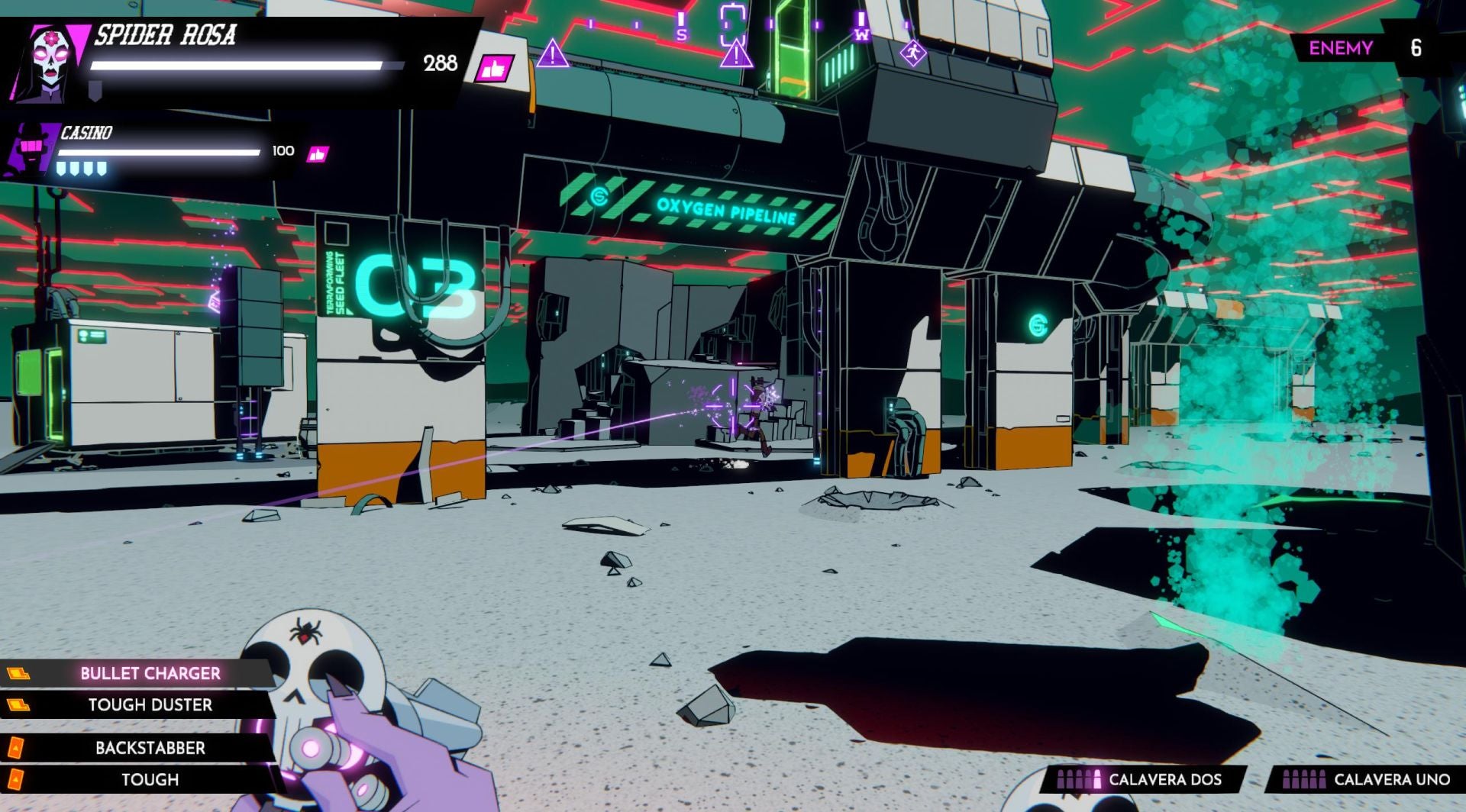
I hope, despite my lengthy explanation, I've conveyed the complexity of Wild Bastards. The game is intricately layered, with strategies to develop for every aspect. The characters are richly developed, eventually offering 12 to choose from, adding further complexity. The wonderfully written and voiced crew will have disagreements at unscripted moments, refusing to cooperate until they reconcile over...a plate of beans. Alternatively, they might bond during one of the many conversations that can occur (I’ve never heard the same one twice), improving their teamwork and supporting each other by dropping items into the arena.
I haven't even touched on the extensive range of enemies to battle, including 25 humanoids (Chasteners), 11 animals (Critters), and five types of automated security bots, each with unique behaviors, weapons, and defenses. Not to mention that each crew member moves differently, with some faster, others able to jump higher, and one slithering swiftly on his belly. As I mentioned, this game has taken something from every section of the buffet and somehow fit it all onto one delicious plate.
There are, naturally, some concerns. While the combat is enjoyable and the variety impressive, it sometimes lacks the impactful punch when hitting enemies. It often feels as though they can run through your fire unscathed, and there's a lack of satisfying impact when you hit them, making things feel a bit too ethereal.
Wild Bastards
-
Back of the box quote
"Space cowboys haven't been this much fun since Firefly."
-
Developer
Blue Manchu
-
Type of game
FPS / roguelite / strategy
-
Platforms
PC, PS5, Xbox Series
-
Liked
The mad mishmash of genres all working together, in a game that wants to be won.
-
Disliked
Slightly skewed difficulty levels, and overpowered poison.
-
Played
Far too much
-
Release Date
August 12, 2024
The poison is absurdly overpowered, and levels with poison-spitting Rattlers can be miserable to endure until you’ve rescued some of the later crew members, as the ongoing damage they inflict is excessively punishing. Another, rather significant issue is the lack of a balanced difficulty level between Normal and Easy. Normal can be a surprisingly challenging choice, especially early on, as the game heavily relies on poison when you’re just starting with two or three characters, making it feel disheartening. Meanwhile, Easy is genuinely easy and lacks enough challenge. (Clearly, there are those who’ll excel on Hard and Very Hard, and I admire them.) I wish that Normal were slightly less punishing at the beginning. I recommend switching back to it when you’re breezing through levels because missing out on the challenge is missing the point.
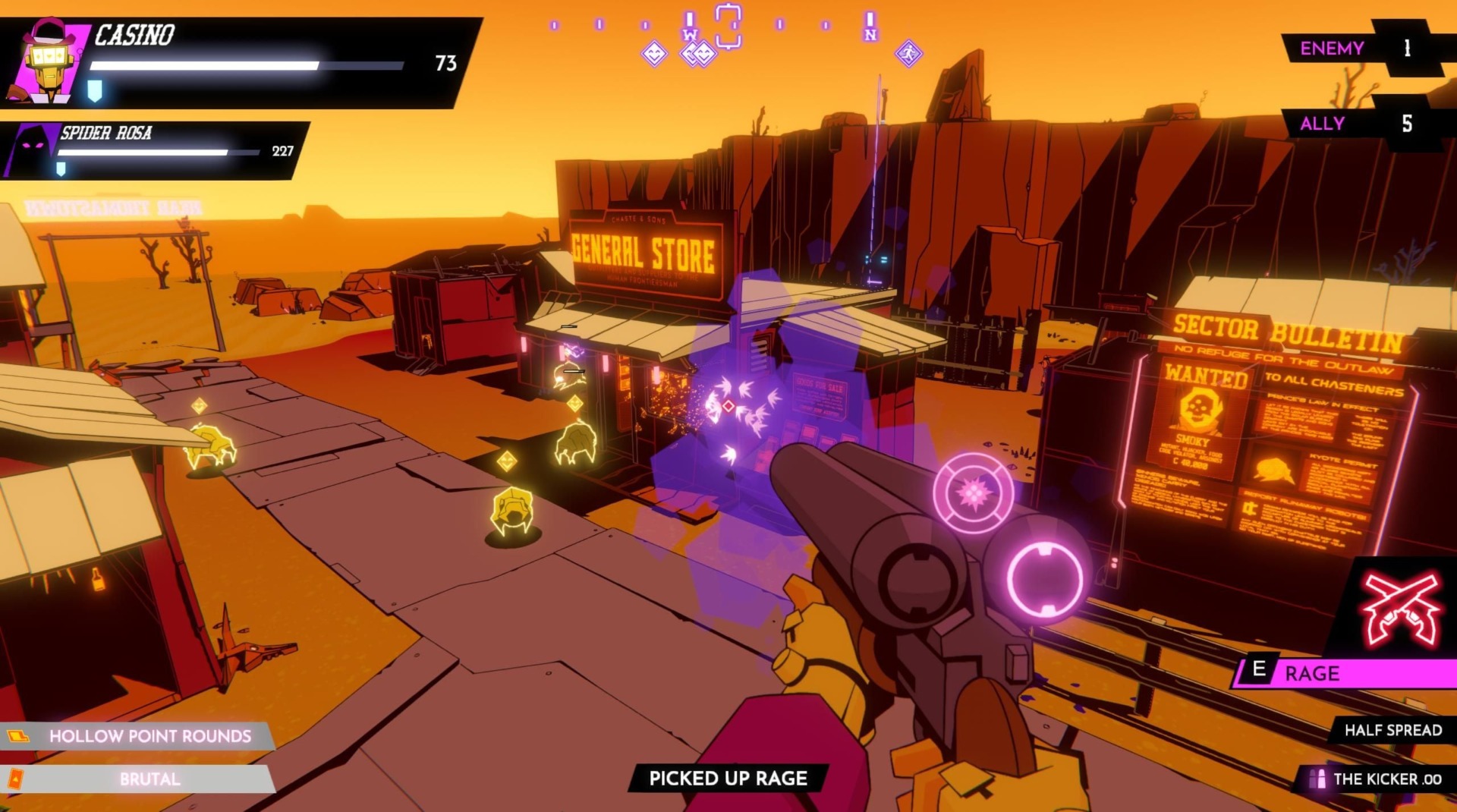
Another peculiar decision is the forced tutorial at the start of every run. Even if turned "Off" in the menu, the opening level remains mandatory, which becomes tedious by your third or fourth run (especially frustrating if you've played through the demo multiple times earlier in the year).
However, if you’re as impatient as I am, you should know that hitting Escape will skip the slow beam up and down sequences and post-battle reports. Just don’t skip the conversations, because they’re all superb.
There, I barely compared it to the brilliant Void Bastards at all, although I strongly recommend playing both. It’s tempting to call Wild Bastards an evolution, but that wouldn’t be fair to Void, which excels in crafting elements and permadeath of characters (though with persistent progress). The crucial similarity between both games, beyond the excellent art and fantastic humor, is that unlike many roguelite games, they both want you to win. They’re about making progress, reaching an ending, and then starting over to try a completely different approach. In Wild Bastards, there’s just so much more variation each time.


