



In March 2022, the gaming community mourned the loss of Mohammad Fahmi, the brilliant mind behind the beloved narrative game Coffee Talk, who tragically passed away at the tender age of 32. Just three months earlier, he had unveiled his upcoming project, Afterlove EP, a rhythm-narrative adventure centered on coping with the loss of a loved one. Now, three years later, the dedicated team at Indonesian studio Pikselnesia has completed the game, delivering a poignant and timely experience. While Afterlove EP has its imperfections, its exploration of the subtle ways grief affects us and the unremarkable yet profound journey to rediscovering joy provides a quiet catharsis.
Afterlove EP tells the story of Rama, the lead singer of an indie band, who loses a part of himself when his partner Cinta unexpectedly dies. He isolates himself for a year, and when he finally emerges from his solitude, he is surprised to find how much the world has continued without him. His bandmates, feeling trapped by his indecision, have sought new opportunities and career paths. Rama assumed everything would be as he left it a year ago. Afterlove EP spends considerable time highlighting that while grief deserves compassion, it doesn’t grant a free license to treat others poorly.
Grief necessitates a measure of grace. No one navigates the loss of a loved one “perfectly,” and a narrative that critiques someone experiencing such pain can be challenging to execute without alienating the audience. Afterlove EP begins with Rama hearing the voice of Cinta, urging him to return to his music, but as the game progresses, it becomes evident that this voice is more a reflection of Rama’s internal dialogue than an echo of his lost love. Cinta’s voice is defensive and accusatory, prioritizing Rama’s feelings above others. As I immersed myself in Rama’s world, I grew increasingly frustrated with Cinta’s interjections. This wasn’t the compassionate person her grieving friends remembered; rather, it was someone who consistently sided with Rama, even when his friends had legitimate concerns.
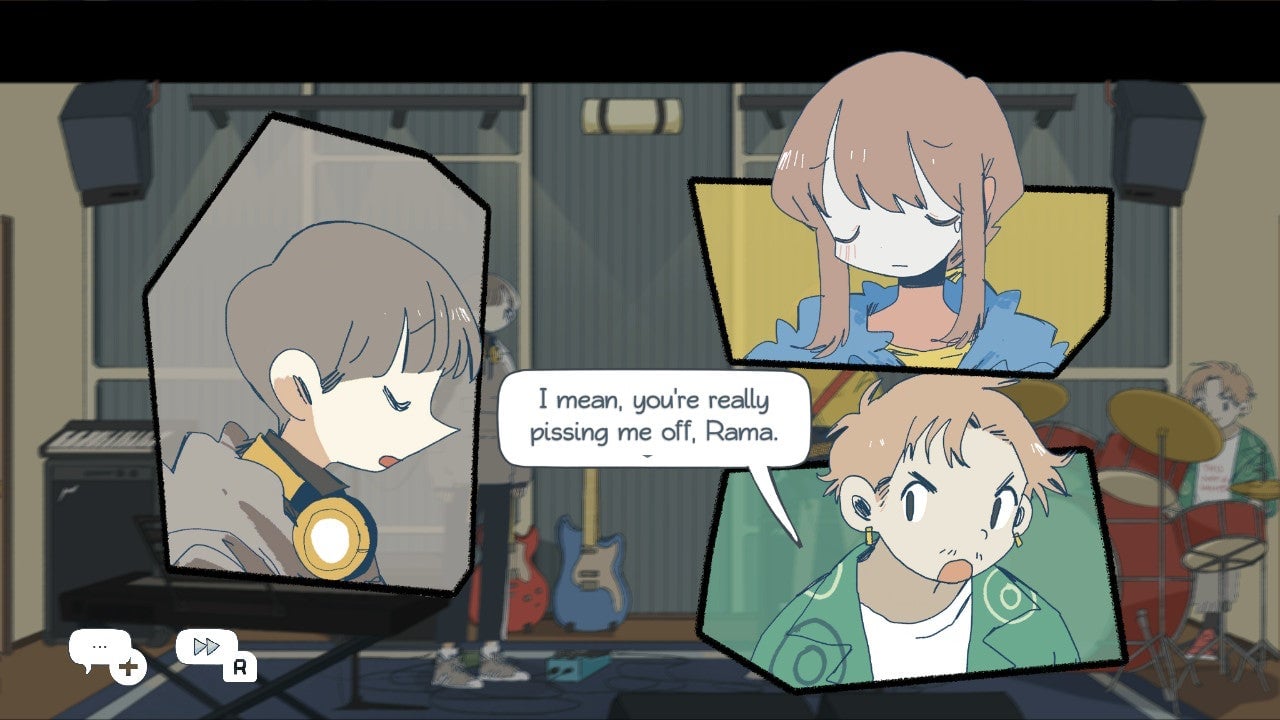
While this disconnect between player and protagonist can be frustrating, it makes Rama’s growth and the story’s resolution even more rewarding. Initially, Rama is a sympathetic figure, mourning the loss of someone close to him. However, as Afterlove EP unfolds, it becomes clear that he is fixated on his own suffering, neglecting the impact of his absence on others. My empathy for him gradually transformed into alienation as I witnessed his relationships deteriorate, much like watching a friend helplessly spiral into despair. Afterlove EP offered numerous opportunities to confront friends who felt abandoned, but throughout the game, I struggled to find dialogue options that resembled an apology for my absence, my arrogant musician’s ego, or the selfish manner in which I prioritized my grief over theirs. I spent countless hours in Afterlove EP watching people who cared for each other nearly drift apart because Rama couldn’t see beyond his own pain. Every meeting with his bandmates felt like walking a tightrope, with the bond between them on the verge of breaking as Rama insisted on his own vision for the music and the band’s future, indifferent to the pain his friends experienced from losing a friend too. Rama can be a challenging character to steer in a dialogue-driven game, and Cinta’s reluctance to challenge him made me wary of her from the outset, but Afterlove EP’s dedication to its flawed hero and his dysfunctional friendships is central to its narrative.
There’s a delicate balance between a sympathetic protagonist and a selfish one, and Afterlove EP maintains this balance skillfully. By the time I was deeply immersed in Rama’s story—witnessing his self-centeredness hurt those closest to him—I could only feel pity for him. He couldn’t see the forest for the trees, even when faced with numerous opportunities to form new connections and mend old ones.
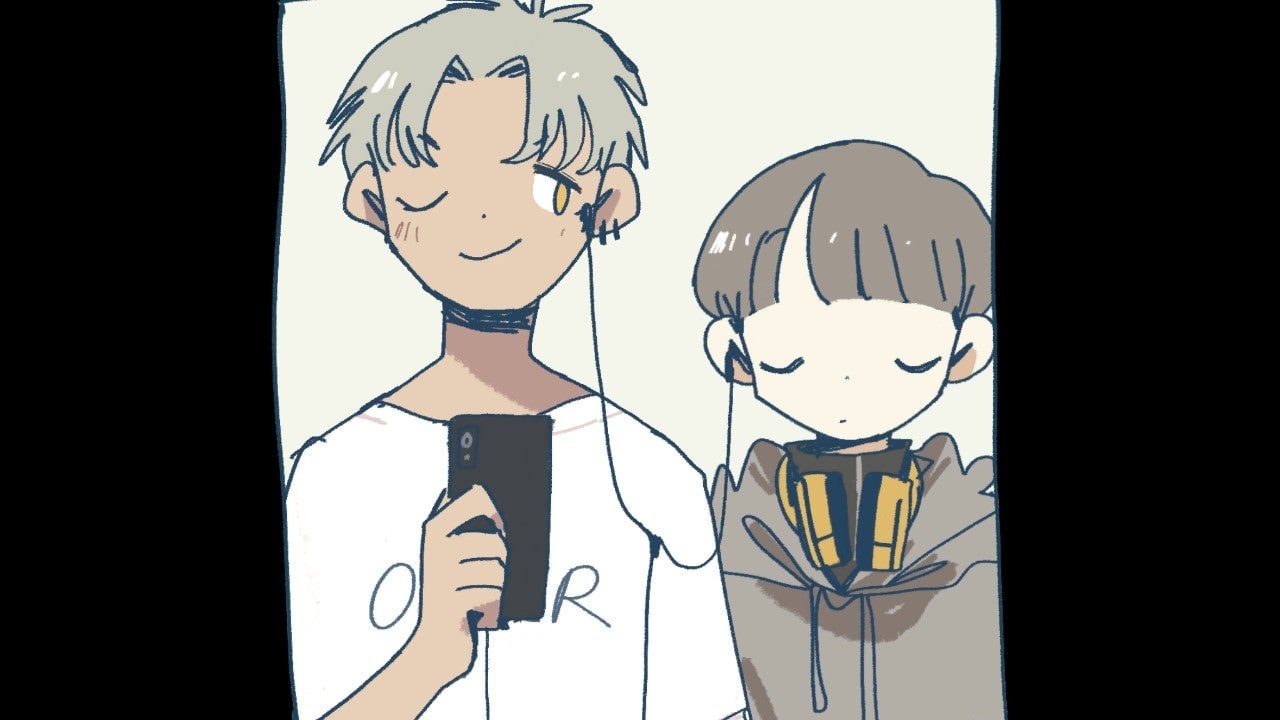
Afterlove EP feels reminiscent of a Persona game, where you manage relationships and daily activities, choosing whether to spend your limited time with friends, busking for money, attending therapy to address social discord, or potentially building a connection with a new romantic interest. I spent most days with Satria, a record store clerk who knew just how to provoke Rama. He’s part of a queer community that plays music in the local park. Rama hasn’t explored this aspect of himself, and self-discovery isn’t made easier by the persistent voice of his ex as he tries to forge new connections. However, Afterlove EP avoids the clichéd pitfalls I anticipated regarding Rama finding new love. Given Cinta’s hold on him, I feared that moving on might create a toxic mental love triangle, but the narrative unfolds differently. It was a refreshing change after Rama’s mourning had hindered his progress throughout much of the game. Grief is the foundation upon which Afterlove EP is built, yet it has more to convey than just this theme.
The thread weaving these relationships together is the indie rock music Rama performs. When not engaging in conversations with friends and potential partners, Afterlove EP becomes a rhythm game featuring catchy tracks that embody the spirit and determination of young artists yearning for a life beyond the confines of bars and kitchens. Even if I can’t comprehend the Indonesian lyrics, I sense the pain and longing in Rama’s voice and the powerful riffs beneath.

That being said, the rhythm segments in Afterlove EP are particularly challenging to follow. Each note descends along a track resembling sheet music, requiring you to press one of four directional buttons as it reaches the center of the screen. The presentation can be disorienting and frustrating—there’s an expectation that the directional inputs should correspond to the movement you’re witnessing. Instead, I frequently stumbled as notes approached from the right side of the screen but demanded an upward or downward press. Rhythm games, much like playing an actual instrument, are intended to be instinctual. With enough practice, actions become muscle memory ingrained in your fingertips. However, Afterlove EP’s minimalist UI design doesn’t effectively convey its mechanics, preventing it from achieving the intuitive rhythm necessary to become fully immersed in the music.
Much like Rama’s music, Afterlove EP strikes a balance between the thorny and heartwarming aspects of love and loss. Given the challenges the Pikselnesia team faced to bring it to life, it’s no surprise that the game captures both the painful and beautiful facets of losing someone you care about. A significant portion of Afterlove EP guides you through the mundane process of reclaiming your identity. When parts of yourself are lost, finding new, positive, and healthy ways to fill that void isn’t always glamorous or enjoyable. It can be awkward and uncomfortable, requiring conversations with people who see through your façade and challenge you when you’re blind to your own faults. Afterlove EP is empathetic to the fact that none of us manage grief in a way that’s palatable to everyone around us, yet its most powerful moments come when it challenges you to rise above your struggles.


