



In the realm of musical theater, sequels are quite rare, and when they do appear, they often fall short of expectations. For instance, most people are familiar with Phantom of the Opera, the hugely popular production by Andrew Lloyd Webber, yet many remain unaware of its sequel, Love Never Dies. There's a reason for this—it simply doesn't measure up! Therefore, when 2023 introduced Stray Gods: The Roleplaying Musical with the audacious release of the Orpheus DLC, which takes place after the main game's conclusion, I was more than a little surprised. What truly astonished me was just how much Stray Gods: Orpheus surpassed the original release.
When Stray Gods initially debuted last year, I found it to be an exceedingly tedious and disorganized game, failing in nearly every aspect to successfully blend RPGs with musical theater. In my review, I noted that the game “never comprehends the complexities of storytelling in musicals,” and suggested that “while the team had a genuine passion for the concept of a roleplaying musical, they lacked the expertise to bring it to fruition.” Much of the blame fell on the star-studded cast, which included voice acting giants like Laura Bailey and Troy Baker, who, despite their acting prowess, failed to convince audiences of their singing abilities—not that they were provided with quality material. Credit must be given to developer Summerfall Studios, as Orpheus strips down the base game’s grand ambitions and seeks to address its flaws, creating something much improved.
Having the perfect lead makes all the difference
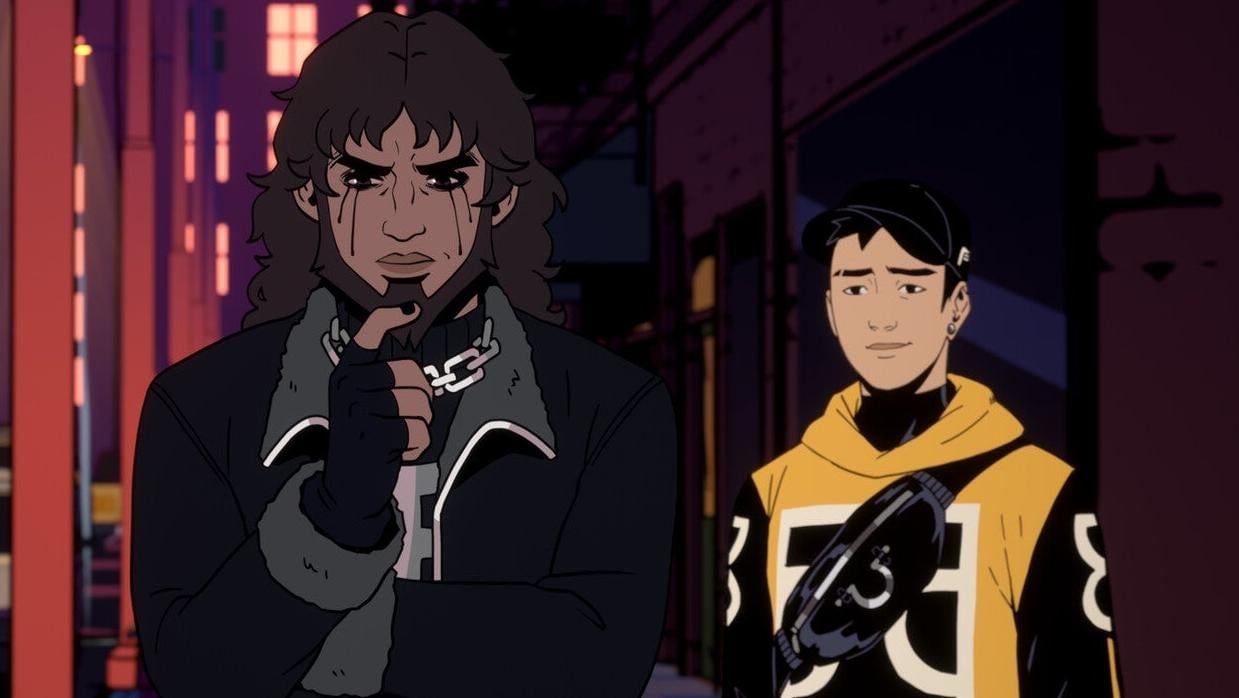
Following the events of Stray Gods, which depict the Greek gods in a contemporary world where they sing like professional pop stars, Orpheus picks up the narrative threads of its titular character. When we last encountered Orpheus, he was isolated in the underworld, lost in contemplation. The DLC presents him with an opportunity to return to the realm of the living, sparking an existential crisis regarding his life’s purpose. What ensues is a concise one-and-a-half-hour character exploration. If you played the base game, you might be surprised that Orpheus takes center stage in the DLC, but it is undoubtedly the wisest choice Summerfall could have made.
Orpheus is brought to life by Broadway icon Anthony Rapp of Rent fame, who outshone everyone in the base game with his singular performance. Rapp was the saving grace of Stray Gods, and the Orpheus DLC provides him the opportunity to truly shine. Rapp’s portrayal of Orpheus is instantly captivating; he exudes a powerful stage presence, even within a video game. While Stray Gods’ attempts at humor frequently fell flat, Rapp managed to elicit laughter from me more than once just in the DLC’s opening moments. Not to mention, the man can sing.
Determined to find love once more, Orpheus is drawn into a speed dating event orchestrated by Hermes. This leads to a remarkable show-stopping number called “A New Love.” It showcases a far superior approach to songwriting compared to the base game, featuring a delightful chorus that Orpheus revisits amidst increasingly disastrous dates throughout the night. There are even playful shifts in musical style as each new date alters the song's dynamics. Yet after each entertaining detour, Rapp’s remarkable voice brings the audience back. It’s Orpheus’s equivalent of an “I want” song, conveying what the main character will pursue for the rest of the show—something the base game never afforded to Laura Bailey’s Grace. “A New Love” stands out as the best number in Stray Gods, period, spanning both the DLC and the base game. Yet even this brilliant moment is not without its flaws.
Familiar challenges hinder Stray Gods: Orpheus progress
Much like the base game, Orpheus’s core gameplay offers the option to change your singing style mid-song. This is executed via a BioWare-style dialogue wheel, intended to emphasize the “roleplaying” aspect of the game’s title. In practice, however, this feature never operates smoothly, and each style change acts as a significant disruption, breaking the song's momentum. This remains true for the Orpheus DLC, regrettably diminishing “A New Love” during its best moments, and the song tends to overstay its welcome.
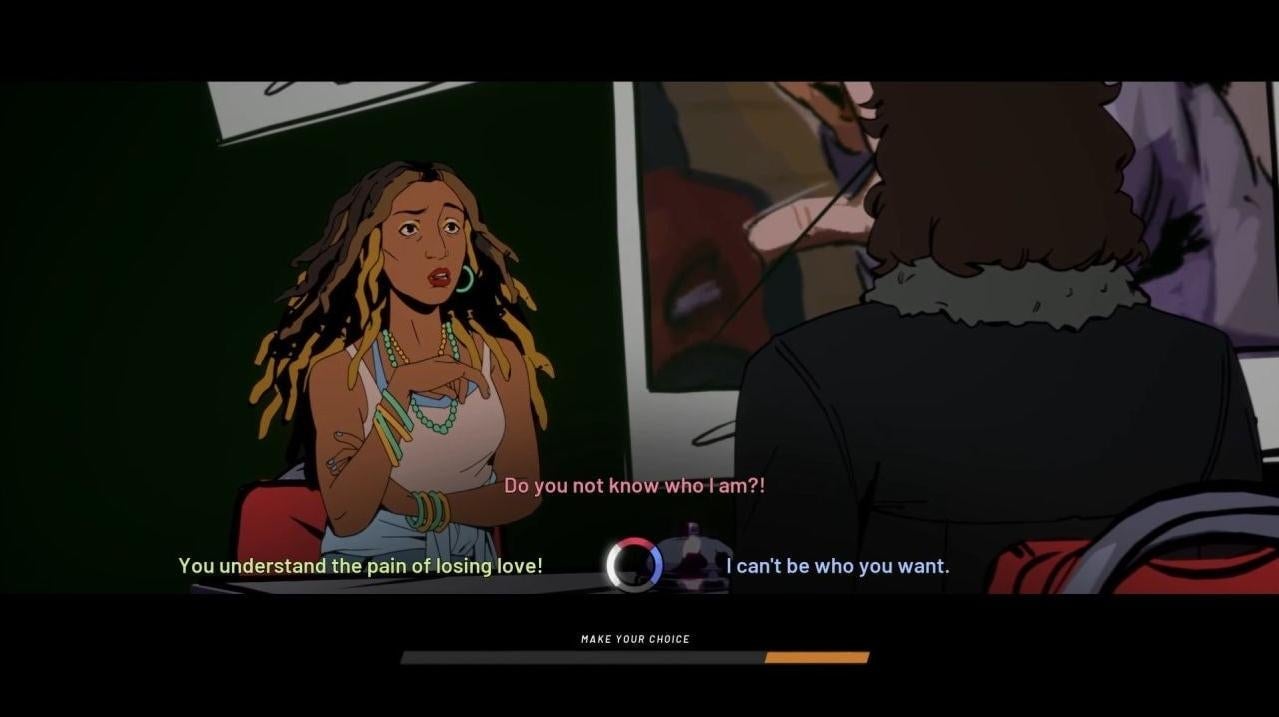
Compounding the issue, the Orpheus DLC peaks with “A New Love” early on and subsequently declines. The remaining songs reintroduce more secondary characters from the base game, all voiced by actors lacking Rapp’s vocal prowess. While there are glimpses of greatness, the rest of the DLC fails to deliver. Even Rapp’s final number feels incomplete. I believe this is not a shortcoming of the songwriters as it was in the base game; the team clearly improved their ability to create musical-style tracks. Rather, the systems they were bound to retain from the base game have hindered the progress made.
As the curtain falls on Stray Gods: Orpheus, I find myself torn. The DLC represents a remarkable enhancement over the original game, owing to an inspired choice of lead and outstanding songwriting. However, the dialogue-wheel-like system for altering song style remains as flawed as ever, preventing Orpheus from fully achieving the original ambitions of merging musical theater and RPGs. Nonetheless, the team at Summerfall Studios should take pride in how effectively they addressed the base game’s issues. Stray Gods: Orpheus may not achieve musical greatness, but it is a rare musical sequel that I would recommend over its predecessor.
Stray Gods: Orpheus is now available on Nintendo Switch, PlayStation, Xbox, and PC.


